The Hudson Startup Ecosystem: Creative, Lower-Cost Alternative Near New York City
Explore Hudson’s emerging startup ecosystem and discover why founders are choosing this historic Hudson Valley city as a lower-cost alternative to New York City. This guide covers living-cost advantages, regional accelerator support, funding and talent access, key sectors such as clean energy, SaaS, healthtech, and fintech, and the challenges founders should consider when building a company in Hudson.
The Hudson Startup Ecosystem: Creative, Lower-Cost Alternative Near New York City
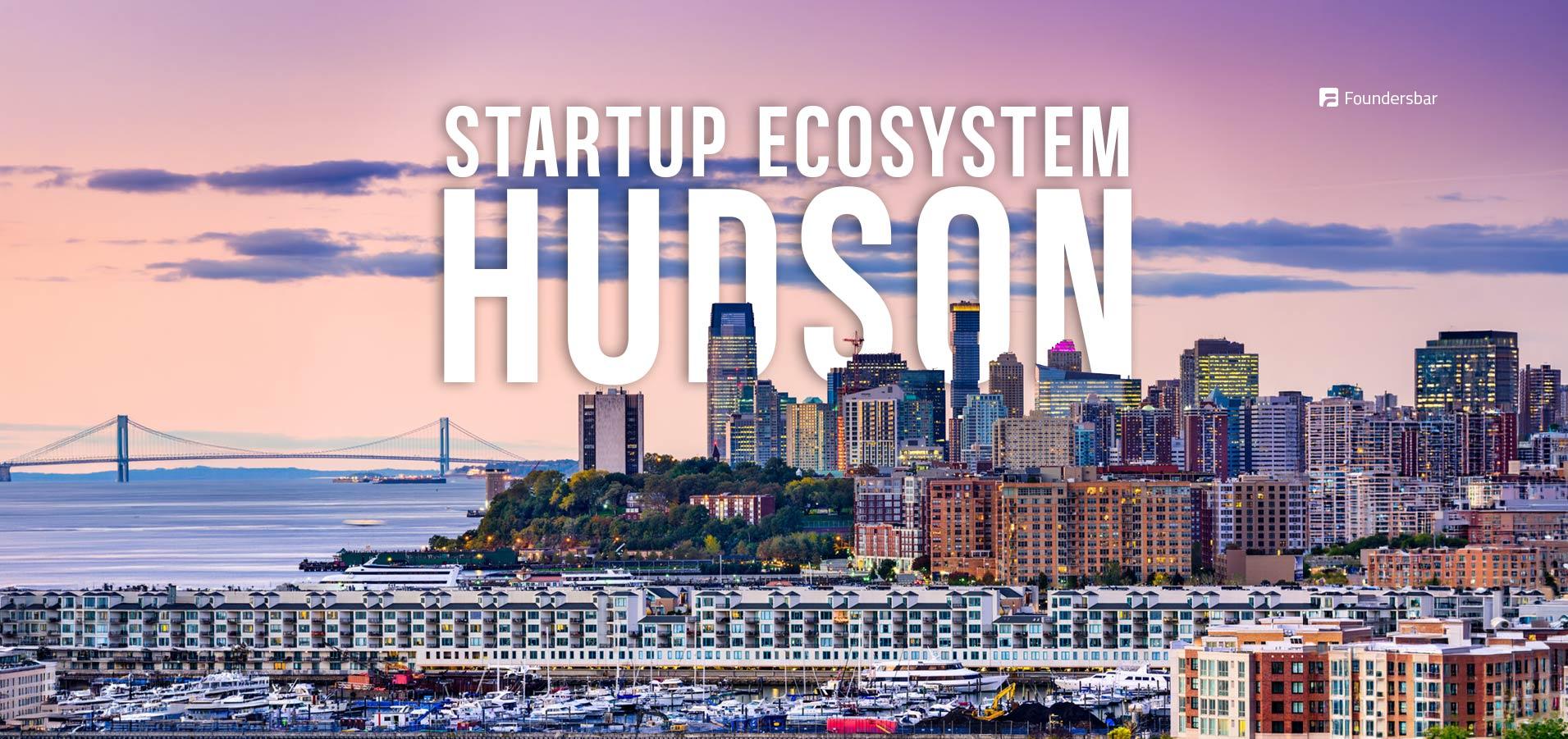
Hudson, New York, is a small historic river city about two hours north of New York City that attracts founders seeking lower operating costs, a strong creative community, and access to the broader Hudson Valley support network. Living costs run roughly 48-50% lower than New York City. The local funded startup count is modest (a handful of VC-backed companies including healthtech and fintech plays), but the region is supported by the Hudson Valley Venture Hub at SUNY New Paltz, which accelerated 19 companies in 2025 and helped generate more than $2 million in economic impact. For USA founders who want proximity to New York City customers and talent without the full coastal burn rate, Hudson offers a practical base.
The ecosystem is still early. Density of specialized engineers and local venture capital is lower than in major hubs. Most successful teams treat Hudson as a lower-cost development and lifestyle base while maintaining strong connections to New York City capital, customers, and talent. The combination of quality of life, regional accelerator support, and dramatically lower rent makes it relevant for early-stage companies focused on clean energy, software, food/ag, healthtech, and creative-tech products.
What defines the Hudson startup ecosystem in 2026?
Proximity to New York City, lower costs, a creative and historic downtown, and access to the Hudson Valley Venture Hub define it. The Venture Hub (the NYSTAR Innovation Hot Spot for the Mid-Hudson region) supported 19 companies through its accelerator in 2025, helping create or retain jobs and generate over $2 million in non-job economic impact through revenue growth, private investment, grants, and cost savings. It also launched an Entrepreneur-in-Residence program. Hudson itself has a small number of funded startups (examples include Indie Health in AI/healthtech and Castle Pay in fintech), plus a broader community of independent founders, designers, and operators drawn by the lifestyle.
Other regional pieces include ConnectHV for founder networking, NY Crossroads for pre-seed acceleration, and events such as Demo Nights in Kingston. The scene is not a high-density tech cluster; it is a lower-cost, high-quality-of-life base with real regional support infrastructure. Founders who need to validate a startup idea in Hudson or define a product blueprint for Hudson startups can use the extra runway the cost structure provides.
Key Regional Metrics (Hudson Valley Venture Hub 2025 and related data)
These figures come from the Venture Hub’s own reporting and public trackers. They reflect a real but still-emerging regional support system rather than a dense local cluster. Teams looking to map product scope before heavy local hiring often work with partners familiar with the constraints and advantages of the area at foundersbar.com.
Why do founders choose Hudson over higher-cost hubs?
Primarily for runway extension and quality of life while remaining within reach of New York City. Cost of living is roughly 48-50% lower than New York City. Monthly living costs for a single person sit around $2,900-3,200 versus nearly $5,000 in New York City. One-bedroom rents are substantially lower. The historic downtown, river setting, galleries, restaurants, and creative community attract founders who want a different daily environment than a major metro. The two-hour proximity to New York City allows customer meetings, investor meetings, and talent access without living in the city full-time.
Approximate Cost Comparison (2026 public data)
Lower costs do not remove the need for clear buyer validation or technical planning. Many founders use the extended runway for how to validate a startup idea in Hudson thoroughly before committing to development. MVP development for Hudson startups and a solid product blueprint for Hudson startups become the practical next steps once evidence is in hand. Partners focused on fixed-scope builds for early-stage companies are available through foundersbar.com.
What sectors appear in the Hudson and Hudson Valley scene?
Clean energy and climate-related work, software/SaaS, healthtech, fintech, food and agriculture, and creative-tech products show up most often. The Venture Hub has supported companies across SaaS, IT, manufacturing, retail, and real estate. Local and regional examples include AI/healthtech, financial tools for homeowners, supply-chain data platforms, and food brands. The broader Hudson Valley has activity in clean energy, fiber, and place-based businesses. The density is lower than in New York City, so most teams combine local lifestyle advantages with remote or partnered technical capacity.
- Clean energy and climate solutions
- Software and SaaS
- Healthtech and AI applications
- Fintech and financial tools
- Food, agriculture, and consumer brands
Because local specialized engineering talent is thinner, many founders choose a tech partner for Hudson startups or a fractional CTO for Hudson founders rather than hiring a full local team at the earliest stages. Some deliberately build Hudson startup without local engineering team capacity until product-market fit signals are clearer.
What are the main limitations?
Venture capital density and senior specialized talent are both lower than in New York City or other major hubs. The absolute number of startups based in Hudson itself is small. Customer and investor meetings often require travel to New York City. Network effects are weaker locally. These are real constraints. The cost and lifestyle advantages do not automatically solve them. Successful founders keep strong external relationships for capital, senior talent, and certain customer segments while using Hudson for development, early customers where relevant, and lower burn.
A focused GTM strategy for Hudson startups and practical startup marketing Hudson become important once the product is ready, so the extended runway turns into actual learning and revenue rather than just more time.
How can a founder get started in the Hudson area?
A practical sequence used by teams that stay and grow:
- Validate the problem and buyer (how to validate a startup idea in Hudson) with accessible customers before heavy technical spend.
- Connect with the Hudson Valley Venture Hub, ConnectHV, or local events for introductions and peer support.
- Define product scope with a product blueprint for Hudson startups so development stays focused.
- Execute MVP development for Hudson startups with controlled scope, often using a tech partner if local hiring is slow.
- Put a GTM strategy for Hudson startups and basic marketing in place early.
- Use a fractional CTO for Hudson founders where a full-time technical leader is premature.
Each of these steps has dedicated supporting guidance in the cluster. The lower cost environment rewards disciplined execution. Teams ready to decide the next technical step, map the build, and execute with clear scope can review eligibility at foundersbar.com.
Practical next steps by stage
Idea-stage founders typically need problem validation and a clear buyer definition before any significant development spend. Build-stage teams focus on technical architecture, MVP scope, and controlled delivery so limited capital produces usable product. Go-to-market stage companies require repeatable acquisition and messaging systems. Scale-stage work shifts toward systems, hiring leverage, and operational reliability.
In all cases the Hudson cost structure extends the time available to get these steps right. Partners that handle product blueprints, fixed-scope MVP development, fractional technical leadership, and complementary go-to-market support understand the local constraints and advantages. Current eligibility criteria are listed at foundersbar.com.
Frequently Asked Questions
Thinking about building a product or taking it to market?
Thinking about building a product or taking it to market?
Thinking about building a product or taking it to market?
Thinking about building a product or taking it to market?