
Ad-hoc workforce management platform
A structured engagement to transform a high-level workforce platform idea into a clear, build-ready MVP. The focus was on defining workflows, features, and scope before development, reducing uncertainty and rework. This ensured faster execution, controlled costs, and a validated product direction aligned with real user needs.


Overview
A Canadian startup approached Foundersbar with a strong idea for an ad-hoc workforce platform. They had clarity on the problem. But not enough detail to start building. Instead of jumping into development, the focus was to first define the product properly - and then build a structured MVP for validation.
The Founder's situation
The founder had a clear vision of the business. But the product itself was not fully defined. There was a gap between the idea and a build-ready plan. Key areas like workflows, features, and scope were still unclear. Without clarity, starting development would lead to confusion, rework, and cost overruns.
Challenges
1.Strong idea, unclear product scope
The vision was clear, but the product lacked detailed definition for execution
2.Risk of building too early
Starting development without clarity could lead to rework and wasted resources
3.Limited visibility before build
The founder needed to see and understand the product before development started
4.Need for early market validation
The product had to be tested with a focused MVP before larger investment decisions
Our approach
1.Started with product blueprint
Defined scope clearly and removed ambiguity before moving into development
2.Focused on MVP clarity
Identified what was essential for validation and what could be deferred
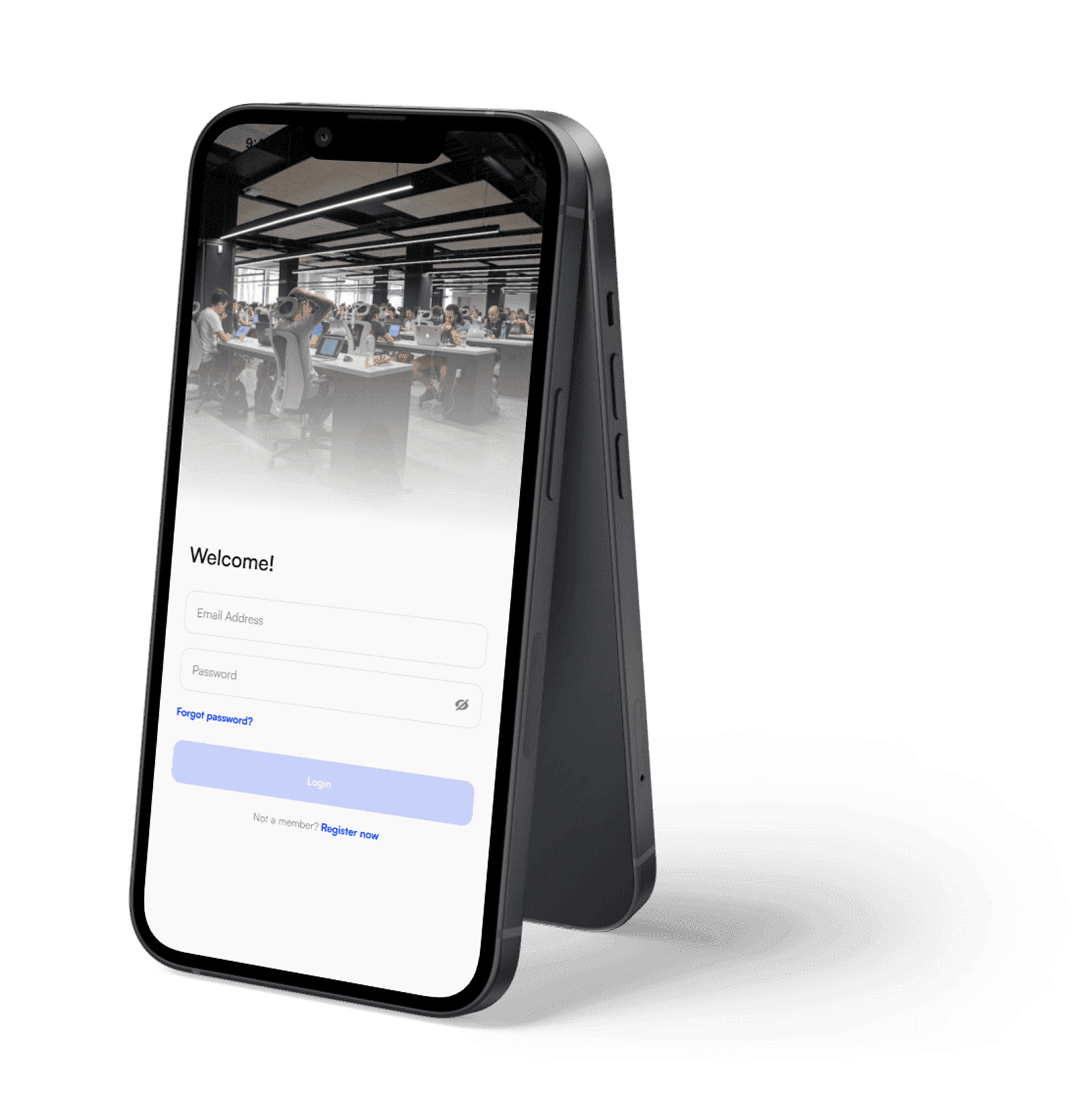
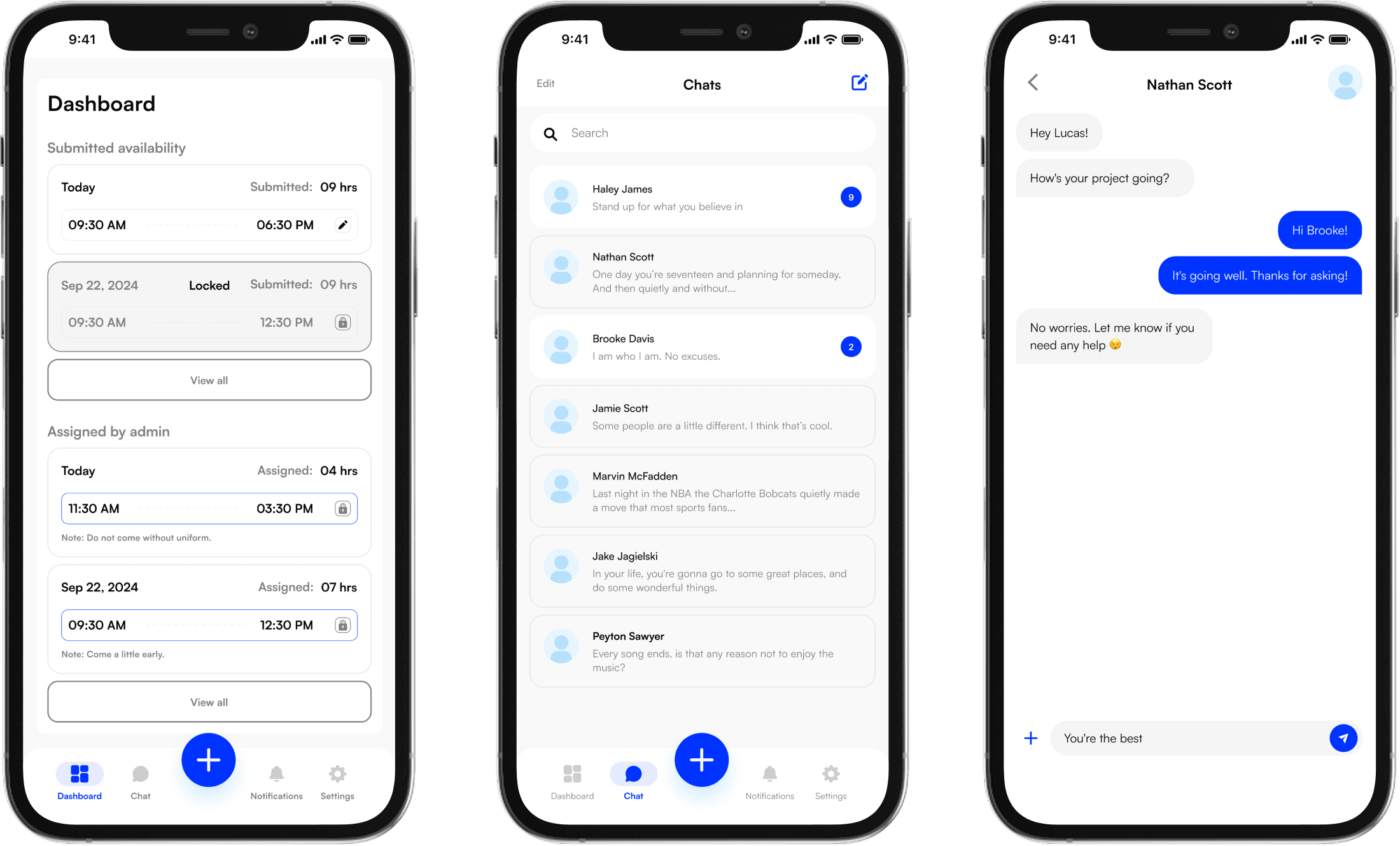
3.Built UI before development
Created clear product visibility so the founder could see the system early
4.Fixed-cost execution model
Delivered the MVP with a predictable budget and structured development process
What we delivered
- Product blueprint to define scope, workflows, and platform structure
- Clear UI direction to visualize the product before development started
- MVP build focused on validation and real market use cases
- Structured execution with fixed cost and controlled development scope
- First-phase delivery completed within planned timeline and budget
Outcome
Foundersbar delivered the project ahead of schedule and under budget, completing it in 5 months instead of the planned 6 months, while optimizing costs from $100K to $80K.
- Moved from idea-stage ambiguity to a clearly defined product direction
- Successfully built and launched an MVP for market validation
- Enabled better decision-making for the next stage of growth
- Completed Phase 1 in 8 months within the planned $40K budget
Conclusion
This engagement was not just about building software. It was about creating clarity before execution. By structuring the product through a defined blueprint and validating it with an MVP, the founder was able to move forward with confidence and reduced risk. The result was a stronger product foundation, better decision-making, and a more disciplined path toward scaling the platform.
Defining the scope before development began is what prevented rework. This is the core of our market validation process, align on what to build before committing to how.
Confidentiality & approval: Client and product names have been redacted on request. This case study was reviewed and approved by the client in this redacted form before publication.
FAQs

A product blueprint defines features, workflows, and scope before development begins to reduce ambiguity.
It helps focus on core features needed for validation and avoids unnecessary development effort.
It can lead to rework, unclear scope, increased costs, and misalignment with the original idea.
It provides predictable pricing, controlled scope, and disciplined execution for early-stage products.
Clear product direction, market validation, and better decisions for future investment and scaling.