Denver Startup Ecosystem 2026: Why the Mile High City Ranks Among America’s Strongest Innovation Hubs
Explore Denver’s startup ecosystem in 2026, including its leading industries, funding landscape, accelerators, talent pool, operating advantages, and opportunities for founders. This guide explains why Denver is becoming a strong innovation hub and how startups can build and scale with greater capital efficiency.
Denver Startup Ecosystem 2026: Why the Mile High City Ranks Among America’s Strongest Innovation Hubs
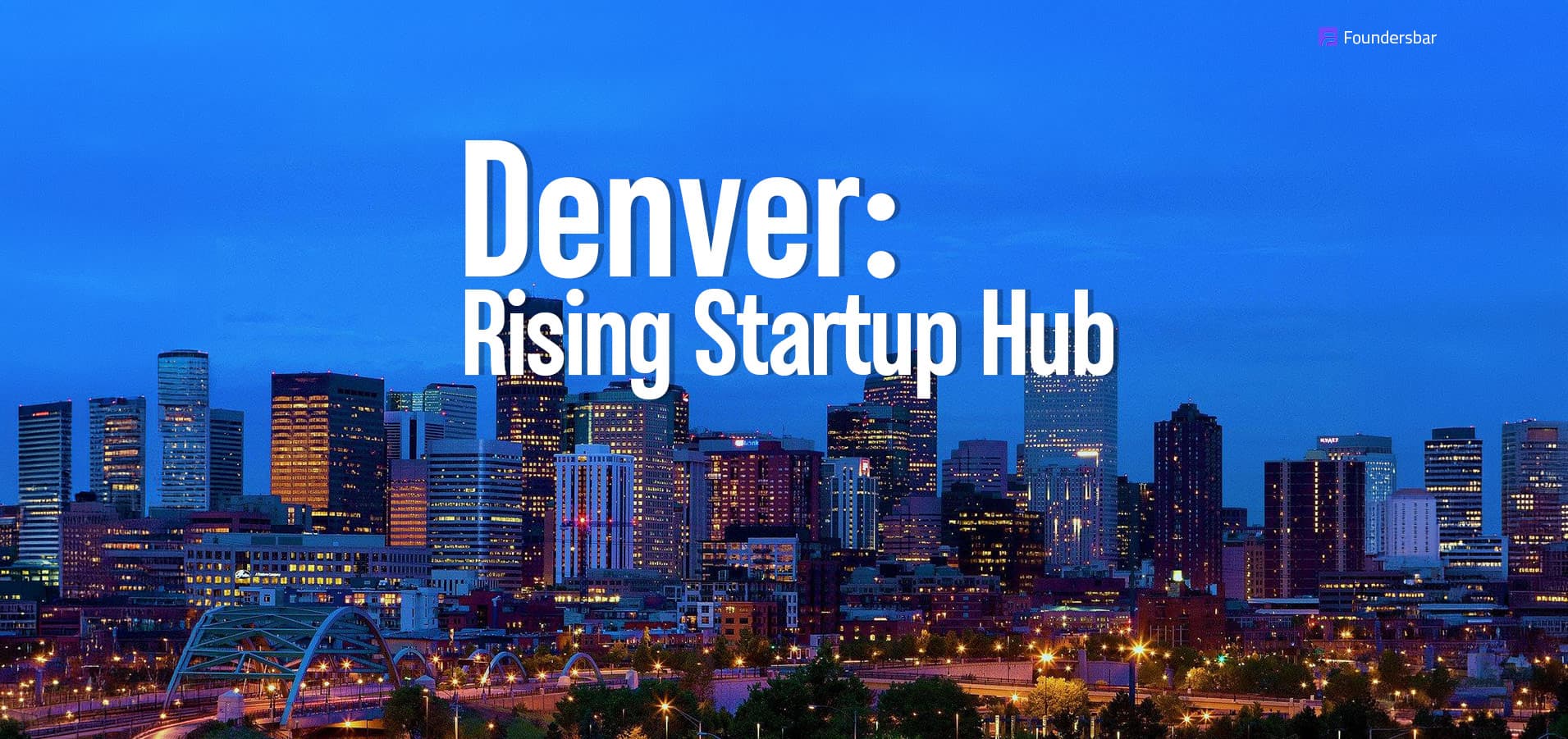
Denver is a top-tier U.S. startup city in 2026 because it combines quality of life, lower operating costs than coastal hubs, deep specialized industries, and a maturing capital and talent network. The Denver Startup Ecosystem supports roughly 1,480+ startups, multiple unicorns and recent decacorns, strong annual growth, and national leadership in aerospace while building density in SaaS, health tech, and energy tech.
What Is Denver Like as a City for Founders and Talent?
Denver (city proper ~740,000-750,000 residents; Denver-Aurora-Centennial metro ~3.1 million) sits at 5,280 feet with 300+ days of sunshine, immediate access to the Rockies, and a central U.S. time zone that works for both coasts.
Key real-world advantages for startups:
- Lifestyle pulls talent from higher-cost markets. Outdoor recreation, craft beer culture, sports teams, and a younger, educated workforce reduce recruitment friction.
- Business environment is practical: diversified economy, major airport connectivity (Denver International), and state programs through the Colorado Office of Economic Development and International Trade (OEDIT).
- Costs sit above the national average but remain meaningfully lower than San Francisco or New York for office, housing, and talent compensation in many roles.
Challenges exist: housing affordability pressures, periodic population growth slowdowns, and competition for late-stage capital that still often flows to coastal or AI-heavy deals. The city rewards capital-efficient founders more than pure growth-at-all-costs models.
What Are Denver’s Core Industry Specialties?
Denver does not copy Silicon Valley. Its edge comes from concentrated strengths that create natural customer bases, talent pipelines, and federal/research spillover.
- Aerospace and defense leads nationally in private-sector employment concentration. Colorado hosts major operations from Lockheed Martin Space, Ball (BAE), United Launch Alliance, and a dense supplier network around Space Force bases. Software, digital systems, mission support, and space tech form high-value niches.
- Enterprise SaaS and software form a large and growing base. B2B tools, security, and vertical applications benefit from competitive engineering costs and strong local demand.
- Health-tech and bioscience leverage regional healthcare systems, research institutions, and an aging Rocky Mountain patient draw.
- Energy, cleantech, and climate tech (including AI-for-energy plays such as Crusoe) draw on Colorado’s traditional energy base plus clean-tech investment.
- Outdoor and recreation tech, quantum/photonics, and advanced manufacturing round out the mix. University of Colorado commercialization rates are notably efficient.
How Strong Is the Denver Startup Ecosystem in 2026?
Sources show solid deal activity, higher average check sizes in some periods, and conversion rates from seed to Series A that are competitive for a non-coastal market.
Talent comes from University of Colorado, Colorado School of Mines, local tech workers (tens of thousands in software and related roles), and inbound migration attracted by lifestyle. Accelerators and support include Techstars Boulder, Boomtown, local angel groups that have professionalized (e.g., Denver Ventures), and statewide programs.
Key local and regional capital sources include Foundry Group, Access Venture Partners, Stout Street Capital, Blackhorn Ventures, and a growing set of micro-VCs and angels. National capital participates, especially once companies show traction in aerospace-adjacent, SaaS, or energy verticals. Early-stage capital remains tighter than late-stage in many cycles; this is a structural reality founders must plan for.
How Do You Launch or Scale a Startup in Denver? (Practical Steps)
- Validate against local strengths, including aerospace, energy, outdoor, health systems, or enterprise software customers nearby reduce customer-discovery costs.
- Use state and city resources early, including OEDIT Advanced Industries grants, Enterprise Zones, and Denver Economic Development tools for capital and technical help.
- Build capital efficiency into the model, where lower burn relative to coastal peers is an advantage; investors notice.
- Plug into networks deliberately, because Denver Startup Week remains one of the largest free founder gatherings in the U.S.; angel groups and accelerator alumni networks recirculate talent and checks.
- Secure reliable technical execution, product delays kill more early-stage companies than market timing. Clear scoping, fixed-cost builds, and fractional technical leadership matter when full-time CTO bandwidth is limited.
Many founders in this market reach a point where they need a technology partner that understands early-stage constraints rather than enterprise agency pricing or unreliable freelancers. Clear product blueprints, fixed-cost MVPs, and ongoing advisory reduce the most common execution risks.
If you are evaluating Denver as a base, mapping a specific vertical, or ready to turn an idea into a buildable product roadmap, start with the relevant spoke above or move directly to execution planning. The ecosystem rewards clear technical direction and capital-efficient progress. For founders who need structured product blueprints, fixed-cost MVP development, or fractional technical guidance tailored to early-stage realities, partners built for startups rather than enterprise processes close the most common gaps between idea and traction.
Denver’s combination of specialized industry depth, improving capital access, and quality-of-life pull makes it a durable option for U.S. founders who want substance over hype. Use this hub as the map, then dig into the spokes for the details that match your stage and sector.
Frequently Asked Questions
Thinking about building a product or taking it to market?
Thinking about building a product or taking it to market?