Why IT Costs Are a Major Challenge for NYC CEOs in 2026
Learn how NYC startups and small businesses can reduce IT costs through fractional CTOs, cloud optimization, fixed-cost development, hybrid teams, and smarter technology spending strategies.
What makes IT spending one of the biggest operational headaches for New York City CEOs and founders right now?
New York City consistently ranks among the most expensive places in the United States to run a business, and IT costs are one of the fastest-growing and hardest-to-control line items. High developer and technical salaries, expensive real estate that drives up infrastructure needs, complex regulatory and compliance requirements, and the rapid pace of technology change all contribute to elevated spending.
For startups and small businesses, IT often represents 4-8% of total revenue, sometimes even higher during growth phases. Many CEOs find that even modest inefficiencies in cloud usage, team structure, or tool selection can quietly drain tens or hundreds of thousands of dollars per year. In a competitive market where runway matters and investor expectations are high, controlling IT costs without sacrificing speed or quality has become a strategic priority.
Where NYC Businesses Typically Spend the Most on IT
What are the primary drivers of IT costs for CEOs and founders operating in New York City?
Understanding exactly where the money goes is the first step toward meaningful reduction. Here’s a realistic breakdown based on 2026 market data for startups and small-to-mid-sized businesses in NYC:
Many NYC companies discover that salaries and cloud spend together often account for 60-75% of their total IT budget. The good news is that both areas offer substantial room for optimization without compromising performance.
Top Strategies NYC CEOs Are Using to Reduce IT Costs in 2026
What are the most effective, battle-tested ways to lower IT spending while supporting growth?
Here are the highest-impact strategies currently working for NYC-based CEOs and founders:
1. Move from Full-Time Technical Hires to Fractional Leadership
Hiring a full-time CTO or senior engineering leader in NYC can easily cost $300,000-$500,000+ per year when you include salary, benefits, equity, recruiting fees, and onboarding time. Many CEOs are instead bringing in fractional CTOs at $8,000-$15,000 per month. This model delivers senior-level strategy, architecture decisions, hiring support, and technical oversight at roughly 60-70% lower cost.
Fractional arrangements are especially powerful for pre-Series B companies that need high-quality technical leadership but don’t yet have the scale to justify a permanent executive. You can scale hours up or down monthly and avoid long-term equity dilution.
2. Shift to Fixed-Cost Development and MVP Partners
Traditional hourly development often leads to scope creep, unpredictable timelines, and budget overruns. Switching to specialized partners who offer fixed-cost MVP development gives CEOs clear pricing and faster delivery. Many NYC startups now complete core product builds for $15,000-$55,000 with predictable timelines instead of open-ended hourly arrangements that can easily exceed six figures.
This approach also reduces management overhead because experienced partners handle project management, quality assurance, and delivery.
3. Aggressively Optimize Cloud Infrastructure
Cloud waste remains one of the largest and most addressable IT expenses. Studies consistently show that organizations waste 25-35% of their cloud spend through idle resources, oversized instances, and poor visibility.
Effective tactics include:
- Rightsizing compute and storage resources on a regular basis
- Implementing auto-scaling to match demand
- Using spot/preemptible instances for non-critical workloads
- Setting up proper tagging and cost allocation
- Taking advantage of Reserved Instances or Savings Plans for predictable workloads
Many NYC startups have reduced monthly cloud bills by 30-50% within the first 60-90 days of focused optimization.
4. Adopt Hybrid or Offshore Development Models
Purely local development teams in NYC are expensive. Smart CEOs are building hybrid models that combine local product and technical strategy with offshore or nearshore execution teams. When managed well, this approach can cut development costs by 40-60% while maintaining quality and speed.
The key is strong project management, clear communication processes, and using fractional technical leadership to oversee architecture and standards.
5. Consolidate Software Tools and Subscriptions
Most growing companies accumulate dozens of SaaS tools over time. Many CEOs find significant overlap, multiple tools doing similar jobs in marketing, project management, analytics, or customer support. A quarterly tool audit often reveals 15-30% savings through consolidation.
Additionally, negotiating annual or multi-year contracts instead of monthly subscriptions frequently unlocks meaningful discounts.
6. Increase Automation and Leverage AI-Powered Tools
Automation reduces the need for manual work and large support teams. Modern AI tools for monitoring, testing, customer support, and data analysis can deliver strong ROI quickly. Many NYC companies are using entry-level AI subscriptions ($20-$30/month per user) to handle tasks that previously required dedicated staff.
7. Improve Vendor Management and Negotiation
Regular vendor reviews and proactive negotiation can yield 10-20% savings on existing contracts. Many providers offer better rates for startups, longer commitments, or bundled services, especially when you demonstrate growth potential.
8. Reduce Office-Related IT Infrastructure Costs
With hybrid and remote work models now standard, many CEOs are downsizing physical office space. This directly lowers costs related to networking equipment, on-premises servers, security systems, and IT support for physical locations.
Common Mistakes NYC CEOs Make When Trying to Cut IT Costs
What are the biggest pitfalls that actually increase long-term costs?
Many well-intentioned cost-cutting efforts backfire. Here are the most frequent mistakes:
- Cutting too aggressively on talent or tools, which creates technical debt and slows future development.
- Choosing the cheapest offshore option without proper oversight, leading to quality issues and rework.
- Ignoring cloud optimization because “it’s only a few thousand dollars”; these small leaks add up significantly over time.
- Failing to define clear scope when engaging fractional leaders or agencies, which leads to misaligned expectations.
- Not auditing subscriptions regularly, resulting in paying for unused or redundant tools for months or years.
- Focusing only on short-term savings while ignoring long-term scalability and security risks.
The most successful CEOs treat IT cost reduction as an ongoing discipline rather than a one-time project.
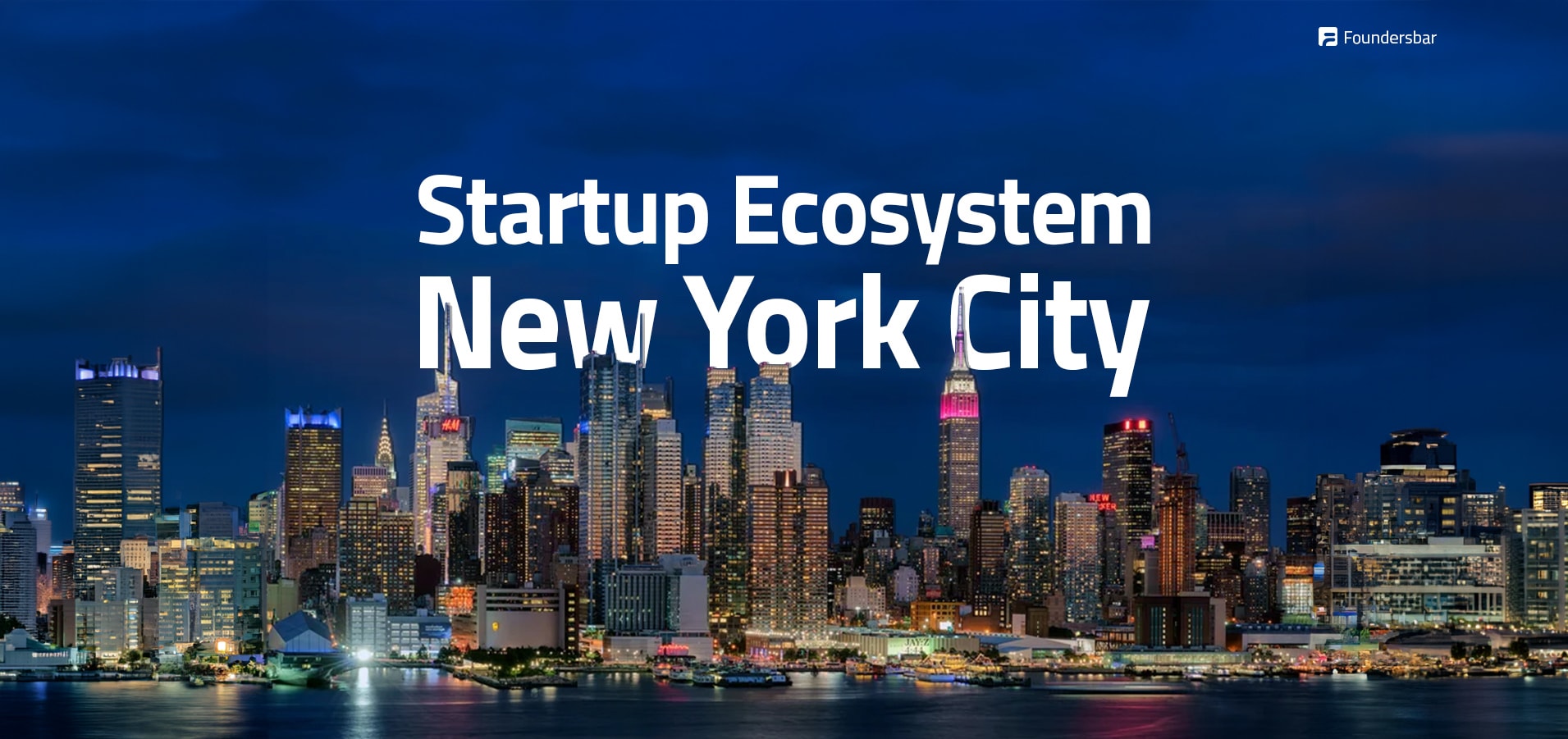
How These Strategies Connect to the Broader NYC Startup Ecosystem
How do IT cost reduction efforts support overall growth in New York City?
IT optimization doesn’t happen in isolation. The most effective approaches align closely with other parts of the NYC ecosystem:
- Using a fractional CTO gives you senior technical leadership while keeping costs flexible.
- Partnering with specialized development agencies or fixed-cost MVP providers controls project spend and accelerates time-to-market.
- For companies serving or operating within NYC’s key small business industries (healthcare, professional services, food & beverage, etc.), efficient IT systems become a competitive advantage.
By reducing unnecessary IT spend, CEOs free up capital that can be redirected toward product development, marketing, hiring key roles, or extending runway, all critical factors in the high-cost NYC environment.
Strategic Support for Cost-Conscious NYC Leaders
In a city where operational efficiency can determine whether a company survives or thrives, many CEOs are moving beyond traditional hiring models or generic agency relationships. They want partners who combine senior technical guidance with efficient execution, delivering results without the heavy overhead of full-time teams or unpredictable project costs.
Foundersbar supports exactly this need by offering structured product development, fixed-cost MVPs, and fractional technical leadership designed specifically for resource-conscious teams operating in high-cost markets like New York City.
Frequently Asked Questions
Thinking about building a product or taking it to market?
Thinking about building a product or taking it to market?
Thinking about building a product or taking it to market?
Thinking about building a product or taking it to market?